
A plan for any and all business disruptions.


Can your business withstand and recover from any type of hazard?

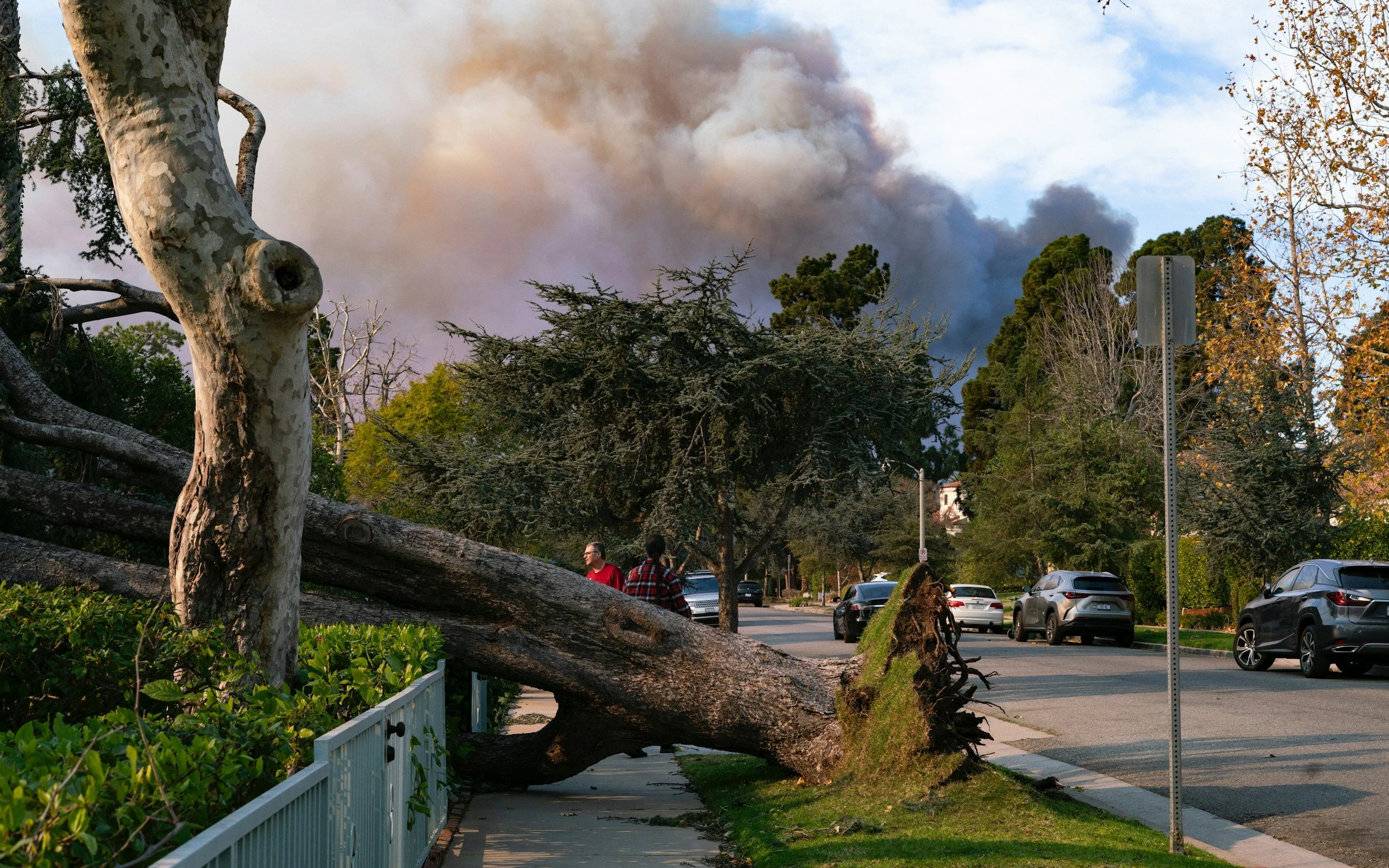
Natural Hazards: Hurricanes, Floods, Earthquakes, Severe Storms, Pandemic
Technological Hazards: Cyberattacks, Ransomware, Data Breach, IT System Failures, Power Outages, Gas Leak, Hazardous Materials Release
Human-Related Hazards: Human Error, Employee Absence, Workplace violence or accidents, intentional malicious acts, civil disturbance, intentional release of hazardous materials
External Hazards: Supply chain disruptions, economic downturns, Geopolical instability, Regulatory changes, disruptions to funding
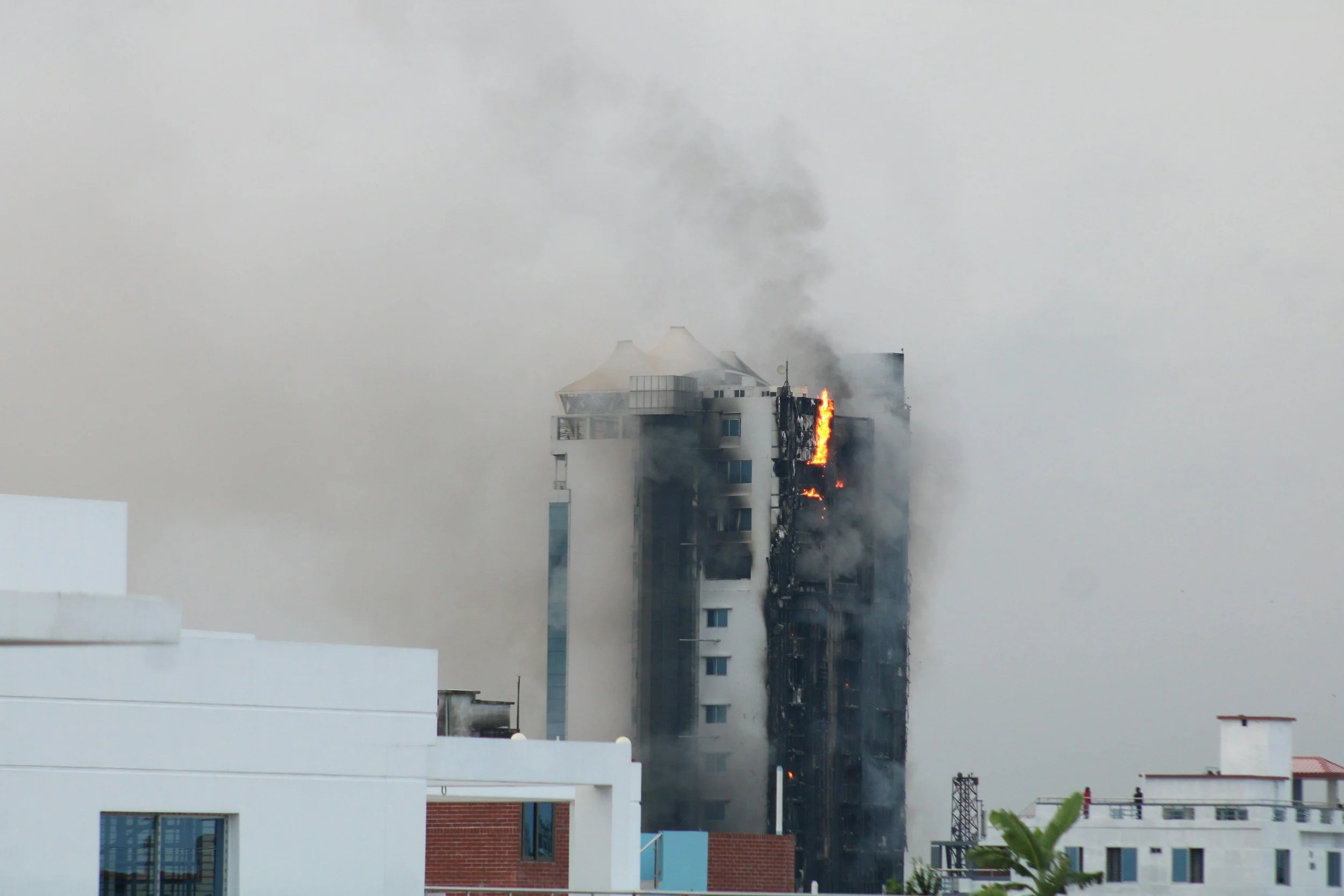
Other Hazards: Loss of key personnel, loss of key supplier, file or explosion, Strikes or labor disputes, Fraud or theft

Business Continuity
Business Continuity is the strategic framework that ensures an organization can maintain or quickly resume critical operations during and after a disruption. Instead of focusing on the immediate hazard, it focuses on operational survival—keeping the lights on, protecting data, and maintaining revenue workflows even if a facility, supply chain, or IT system is entirely offline.
Can your business sustain a disruption for longer than (?) amount of time? What would the impact of a disruption be on your business? Business continuity is business resilience. Our goal is to ensure your business is resilient to all types of threats and hazards.
The Business Continuity Lifecycle
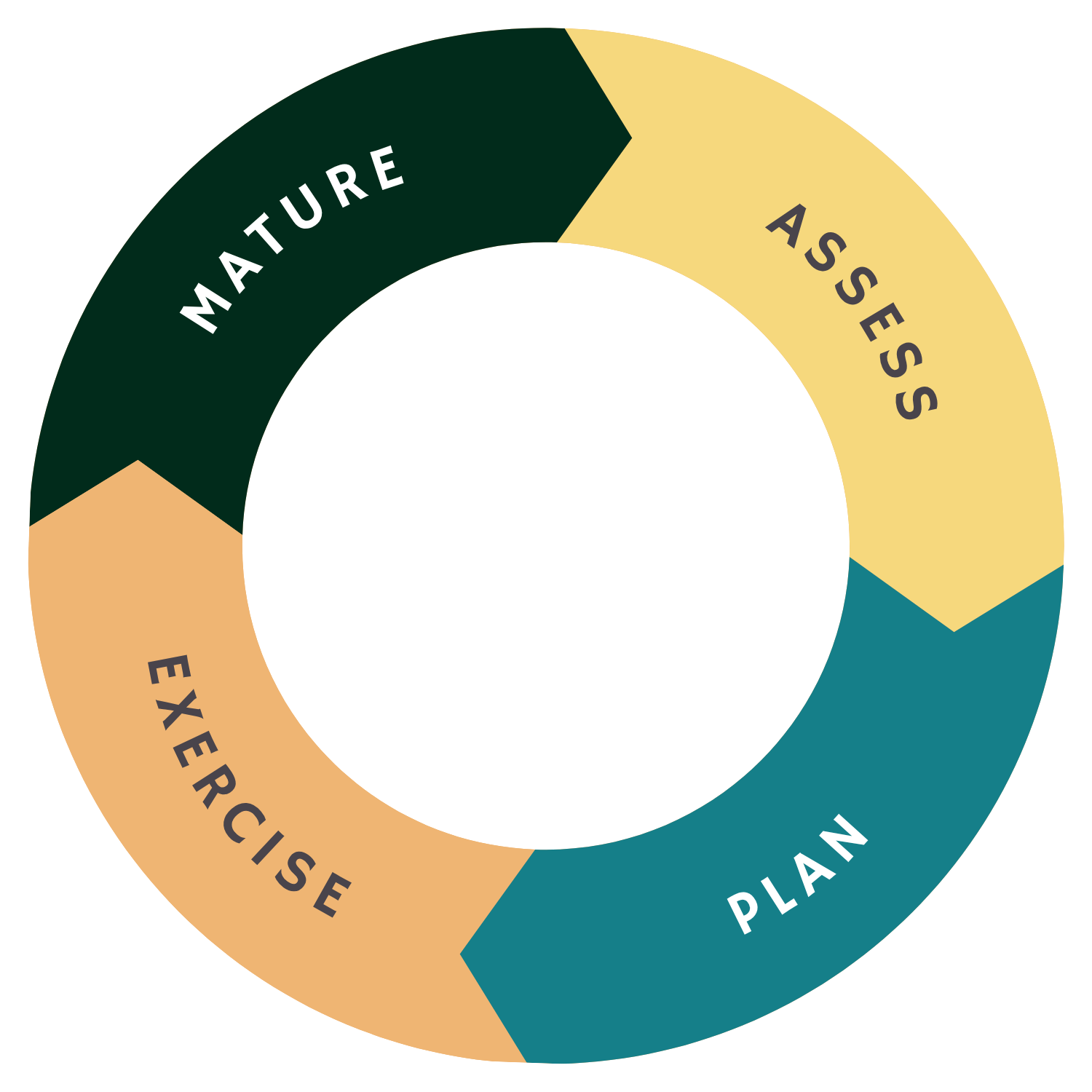
Building a resilient organization requires an ongoing commitment to identifying risks and testing capabilities. This four-stage cycle ensures your organization can withstand disruptions, maintain critical operations, and continually adapt to new challenges.
1. Assess: Identify risks and understand business impacts.
The process begins with evaluating potential operational threats—from cyberattacks and natural disasters to supply chain failures. Through a Business Impact Analysis (BIA) and risk assessment, organizations identify critical processes, determine acceptable downtime, and prioritize key assets that require protection.
2. Plan: Build action strategies to maintain critical operations.
Using insights from the assessment phase, actionable recovery plans and standard operating procedures are developed. This phase involves defining clear roles and responsibilities, establishing emergency communication channels, securing backup systems, and mapping out step-by-step procedures to keep core functions running during a crisis.
3. Exercise: Test strategies and train teams in simulated scenarios.
A plan is only as good as its execution. Through regular tabletop exercises, simulations, and drill scenarios, teams practice responding to real-world disruptions. This phase validates response procedures, builds confidence across leadership and operational teams, and exposes hidden gaps in a controlled environment.
4. Mature: Continually refine and improve organizational resilience.
Business continuity is an evolving process, not a one-time project. After every exercise or real event, teams gather feedback and analyze performance to update plans, refine strategies, and adapt to emerging threats. As the business grows and changes, its continuity framework matures along with it.

Emergency Management
Emergency Management is the tactical process of preparing for, responding to, and mitigating the immediate impact of a crisis. Its primary focus is life safety and stabilization—ensuring that when a disaster strikes (like a fire, severe weather, or an active threat), there is a clear, coordinated plan to protect people, secure physical assets, and contain the danger.
The 5 Phases of Emergency Management
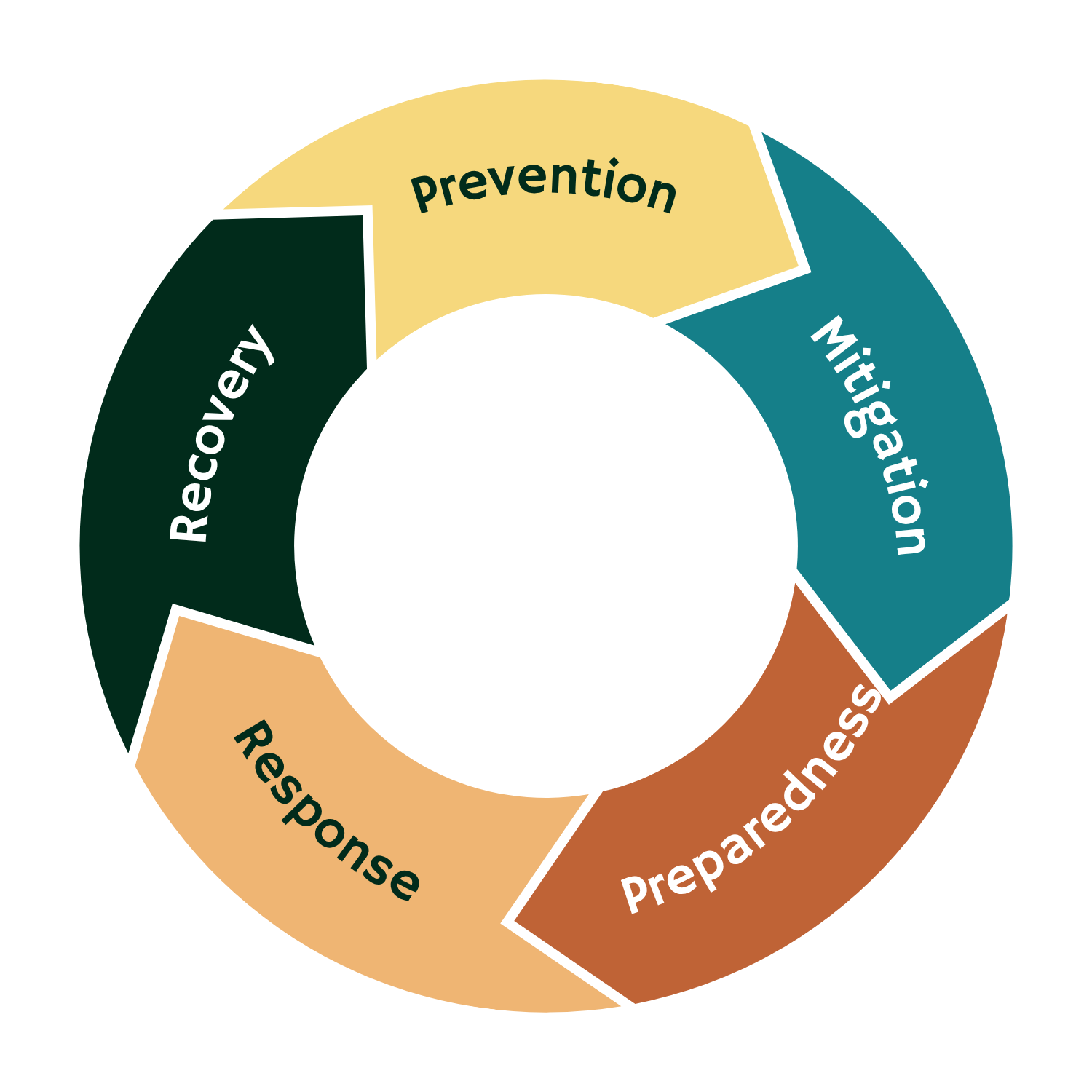
To build resilient communities and manage crises effectively, the Federal Emergency Management Agency (FEMA) developed a comprehensive framework for disaster and emergency response. This 5-phase approach guides organizations and agencies through every stage of a crisis—from long-term planning to long-term recovery.
1. Prevention Goal: Stop disasters before they start.
Actions taken to completely avoid, prevent, or stop an imminent threat or hazard. This phase focuses on proactive measures, such as intelligence gathering, threat deterrence, and structural safety protocols to eliminate risks wherever possible.
2. Mitigation Goal: Reduce the impact of unavoidable disasters.
Ongoing efforts to lessen the severity, impact, or likelihood of future emergencies. Mitigation involves long-term strategies like improving infrastructure, enforcing building codes, and implementing land-use planning to protect lives and property.
3. Preparedness Goal: Ready individuals and organizations for immediate action.
Continuous planning, training, and equipping to ensure a swift and organized response when a crisis strikes. Preparedness includes conducting drills, building emergency supply kits, setting up communication channels, and drafting evacuation plans.
4. Response Goal: Save lives and protect property during an active emergency.
Immediate actions taken during or directly after an incident to address the immediate impact. Response efforts focus on emergency medical care, search and rescue operations, firefighting, and establishing temporary shelters.
5. Recovery Goal: Rebuild and restore the community stronger than before.
The short- and long-term processes implemented to restore vital systems and bring the community back to a state of normalcy—or a "new normal." Recovery encompasses rebuilding infrastructure, restoring local economies, providing mental health support, and applying lessons learned to future planning.